February 24, 2026
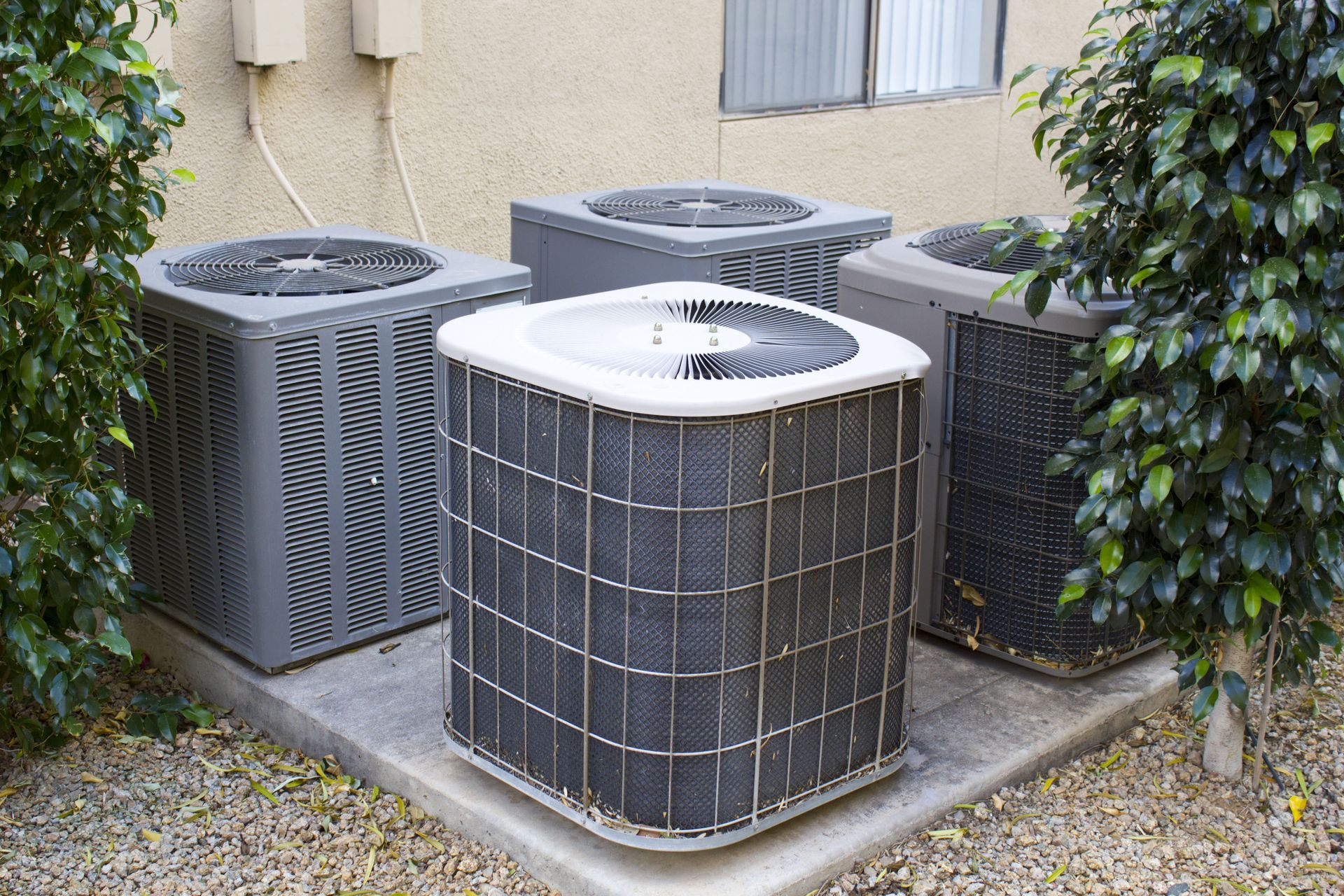
HVAC systems, short for Heating, Ventilation, and Air Conditioning systems, play a crucial role in maintaining indoor air quality (IAQ) and comfort in residential and commercial spaces. These systems regulate the indoor environment by controlling temperature, humidity, and air purity, ensuring occupants live and work in healthy and comfortable conditions. Timely HVAC repairs and regular maintenance of HVAC systems are essential to prevent breakdowns and sustain indoor comfort, as well as to enhance IAQ, which has a direct correlation with our health and well-being.
IAQ Parameters
Indoor air quality parameters include various factors such as temperature, humidity, cleanliness, and the concentration of pollutants, and these can significantly influence an individual's health and comfort. HVAC systems are tasked with maintaining these parameters within optimal ranges to create a conducive indoor environment. The presence of dust, allergens, and volatile organic compounds (VOCs) in the indoor environment can aggravate respiratory conditions and affect overall health, making it crucial for HVAC systems to effectively manage these indoor air quality contaminants.
According to the World Health Organization, indoor air pollution is responsible for approximately 3.2 million deaths annually worldwide, including over 237,000 deaths of children under the age of 5. These statistics highlight the critical importance of managing indoor air quality effectively. A well-maintained HVAC system contributes significantly to reducing indoor pollutants and facilitates healthier living and working conditions by continuously filtering and ventilating indoor air.
Ventilation and Air Exchange
Ventilation is a vital function of HVAC systems that encompasses the exchange of indoor and outdoor air, facilitating the removal of contaminants and controlling humidity levels. Proper ventilation is essential for maintaining fresh indoor air and controlling indoor moisture levels, which can otherwise lead to mold growth and negatively affect respiratory health. HVAC systems achieve adequate ventilation through mechanical means, utilizing fans and ducts to ensure a continuous supply of fresh air indoors.
Without effective ventilation, pollutants such as carbon dioxide, allergens, and other volatile organic compounds can accumulate to harmful levels. Inadequate ventilation can also result in uncomfortable indoor climates and trigger health concerns such as headaches, fatigue, and allergies. Thus, keeping HVAC systems functioning efficiently through regular HVAC repairs and maintenance is critical in maintaining good indoor air quality by promoting sufficient air exchange.
Filtration and Airborne Particles
Filtration is another critical function of HVAC systems that plays a significant role in capturing and removing airborne particles like dust, pollen, and other microscopic pollutants. High-efficiency filters, when properly maintained, can successfully trap these particles, reducing the risk of respiratory issues and allergies while leading to improved health outcomes. The effectiveness of an HVAC system in enhancing IAQ is highly dependent on its filtration capability and the condition of its filters.
Clogged or dirty filters can impede airflow, reduce system efficiency, and ultimately distribute allergens throughout the indoor environment. Consequently, regular cleaning or replacement of filters is necessary to maintain their efficiency and ensure optimal indoor air quality. Cleaning filters prevents the spread of pollutants and extends the lifespan of the HVAC system components, thereby enhancing comfort and health for all building occupants.
Humidity Control and Its Impact
Humidity control is an often-overlooked aspect of indoor air quality that can have profound effects on comfort, health, and the structural integrity of a building. HVAC systems regulate humidity levels either by adding or removing moisture from the air, ensuring that indoor environments remain within optimal humidity ranges. Failure to effectively manage humidity can lead to issues such as condensation, mold growth, and damage to building materials, as well as negatively impact health by promoting the growth of allergens and microorganisms.
Proper humidity management helps prevent respiratory problems and provides a comfortable living environment by avoiding overly dry air, which can cause skin irritation and dehydration, and by preventing high humidity levels that promote the growth of mold and bacteria. Regular maintenance and HVAC repairs play a pivotal role in ensuring that humidity controls function correctly and efficiently. Malfunctioning or improperly calibrated systems might struggle to correct imbalances, which can lead to significant IAQ and comfort issues.
Unusual Noises and What They Mean
Unusual noises emanating from an HVAC system often indicate underlying mechanical problems that require prompt attention. Sounds such as squealing, grinding, or banging can be indicative of components that are loose, damaged, or worn out. For example, squealing might signal a slipping belt, while banging could arise from loose or broken parts within the system.
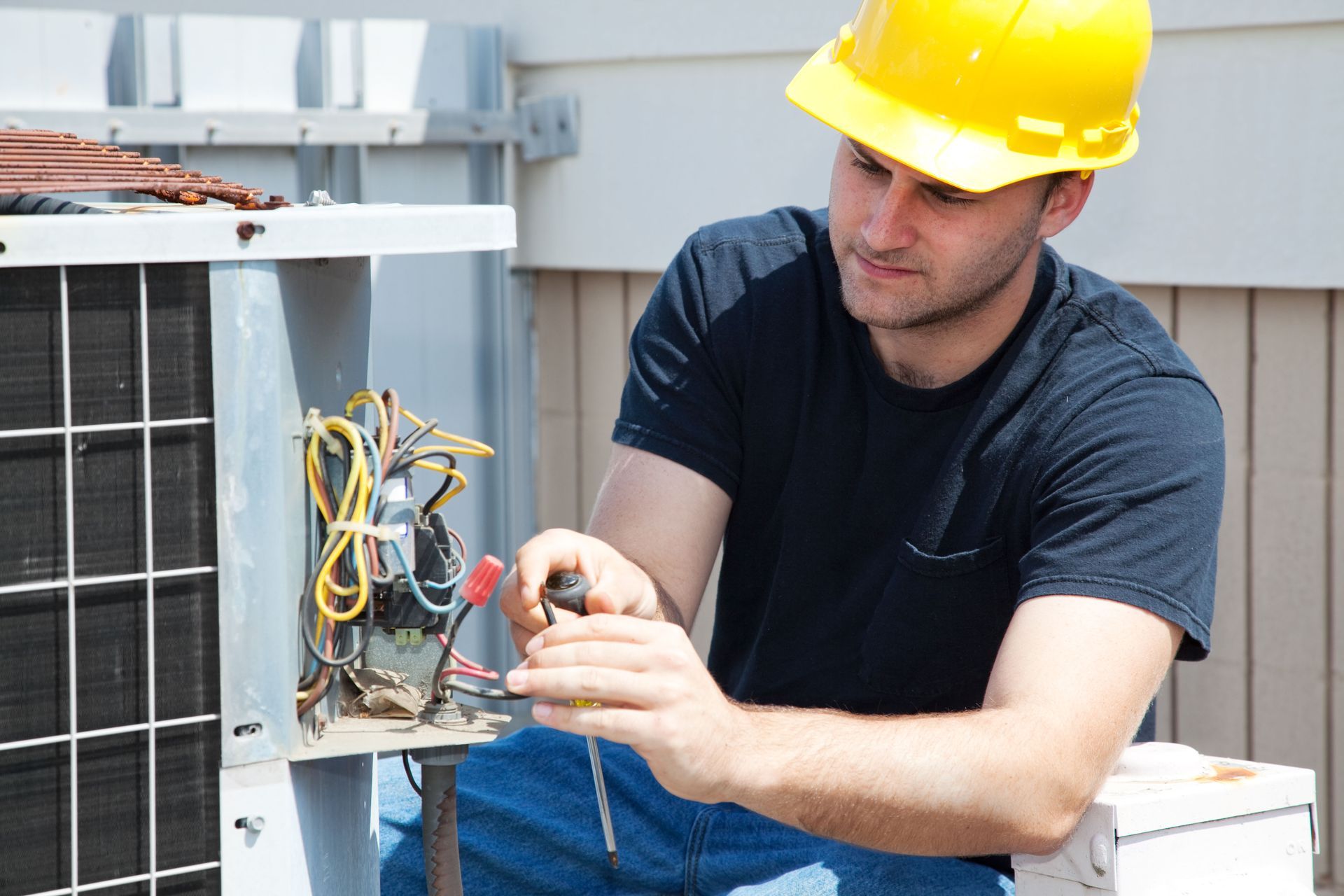
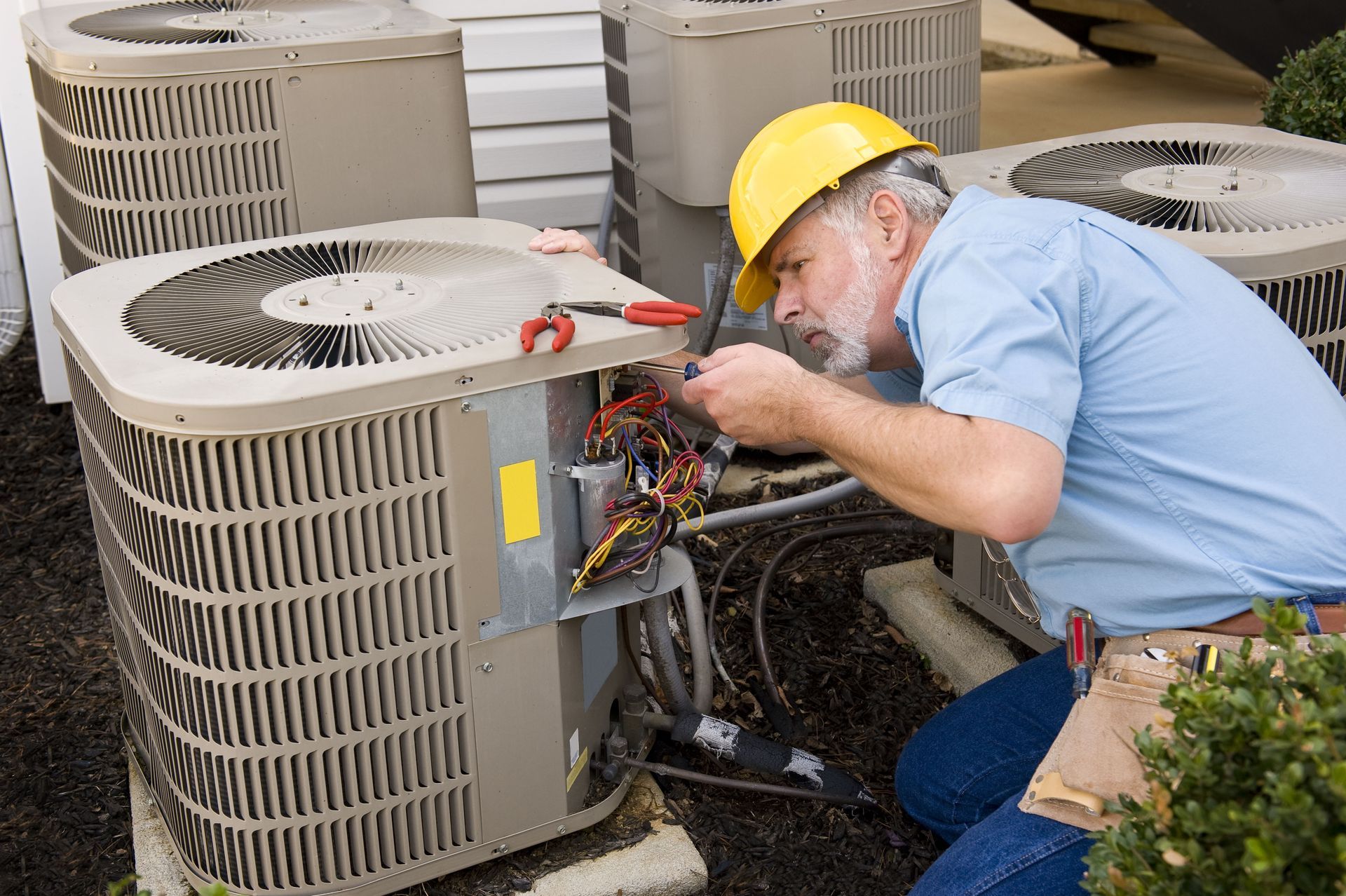
Ignoring unusual noises can lead to further damage and inefficiency, resulting in more costly repairs or even complete system failure. Addressing noise issues through timely HVAC repairs helps pinpoint and rectify specific component failures, ensuring the system continues to function efficiently and effectively. Regular maintenance, such as tightening connections, lubricating parts, and replacing worn-out components, helps prevent these issues from escalating further.
Inconsistent Temperature and Comfort Levels
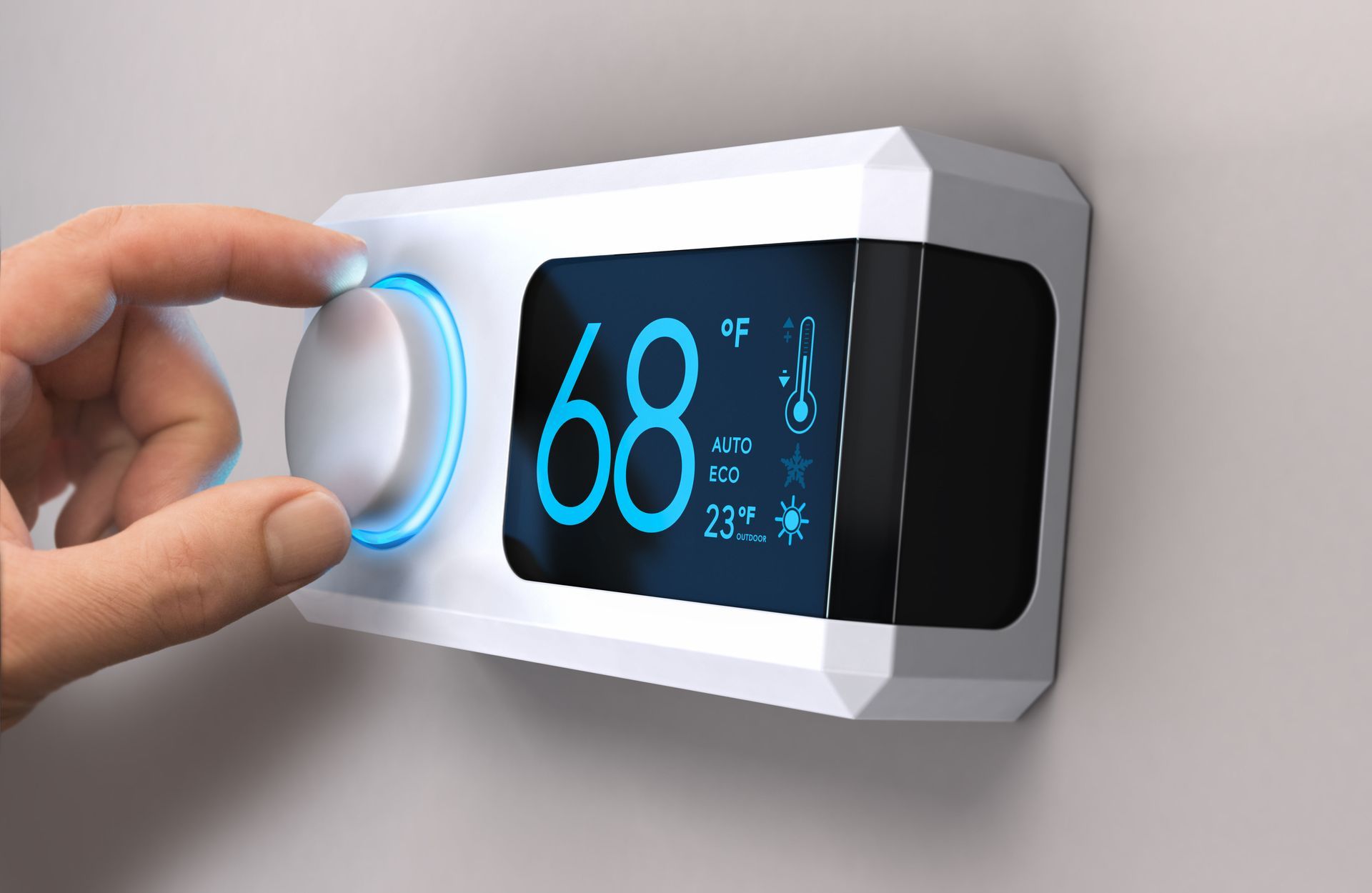
Inconsistent temperatures and variations in comfort levels across different areas of a building often indicate an issue with the HVAC system's ability to distribute air efficiently. This inconsistency can result from various problems, such as malfunctioning thermostats, leaky ductwork, or inadequately sized systems. Regardless of the cause, addressing these issues is crucial for maintaining a uniform and comfortable indoor climate.
Inconsistencies in temperature not only lead to discomfort but may also contribute to energy wastage and elevated utility bills. A system working harder to compensate for inadequate distribution can experience accelerated wear and reduced efficiency. Seeking professional HVAC repairs is imperative to diagnose and resolve temperature inconsistencies, ensuring consistent comfort levels and optimizing energy usage throughout the space.
Increased Energy Bills
A sudden spike in energy bills is often a telltale sign of an HVAC system in need of repair. Factors such as inefficient operation, malfunctioning components, or prolonged runtimes can contribute to excessive energy consumption. When an HVAC system is operating below optimal efficiency, it often requires more power to achieve the desired temperature levels, resulting in increased energy costs.
Identifying the specific issues leading to increased energy consumption is essential for making targeted adjustments and repairs. From replacing worn-out parts to fixing duct leaks and calibrating sensors, addressing these issues can restore the system's energy efficiency. Professional HVAC technicians can identify root causes and implement corrective measures that, over time, lead to significant energy savings.
Poor Airflow and Vent Blockages
Restricted airflow or blocked vents are common HVAC issues that can significantly impact system performance and indoor comfort. Causes of airflow problems can include dirty filters, blocked ducts, or faulty motor components, all of which reduce the system's ability to circulate air effectively. Poor airflow results in uneven temperature distribution, increased humidity levels, and compromised air quality, affecting occupant health and comfort.
Addressing airflow problems is essential for achieving consistent temperature regulation and enhancing IAQ by reducing contaminant spread. Regularly inspecting and cleaning air filters and ducts prevents blockages and ensures optimal air circulation throughout the building. Maintaining an unobstructed air path enables the HVAC system to function at peak performance, facilitating effective air exchange and maintaining a clean indoor environment.
HVAC systems are integral to maintaining healthy indoor air quality, consistent comfort, and energy efficiency in both residential and commercial environments. From ventilation and filtration to humidity control and airflow distribution, each component plays a critical role in protecting occupant health and ensuring optimal system performance. Recognizing early warning signs, such as unusual noises, inconsistent temperatures, poor airflow, or rising energy bills, and addressing them through timely
HVAC repairs and routine maintenance can prevent costly breakdowns while preserving indoor comfort. Ultimately, a well-maintained HVAC system is not just an investment in mechanical reliability, but in cleaner air, better health, and long-term efficiency. Contact Shamrock Heating and Air Conditioning Inc today for more information.