March 10, 2026
Maintaining an HVAC system is crucial for enhancing its performance and extending its life. Regular service ensures that minor issues are addressed promptly, preventing them from escalating into major, costly repairs. The financial benefits of routine HVAC maintenance cannot be overstated, as they translate directly into significant savings over time. By improving system efficiency and reducing unexpected breakdowns, homeowners can predict and manage expenses better. Routine HVAC service is not merely an expenditure but a strategic investment in the system's longevity and energy-efficiency.
Prolonging the Lifespan of Your System
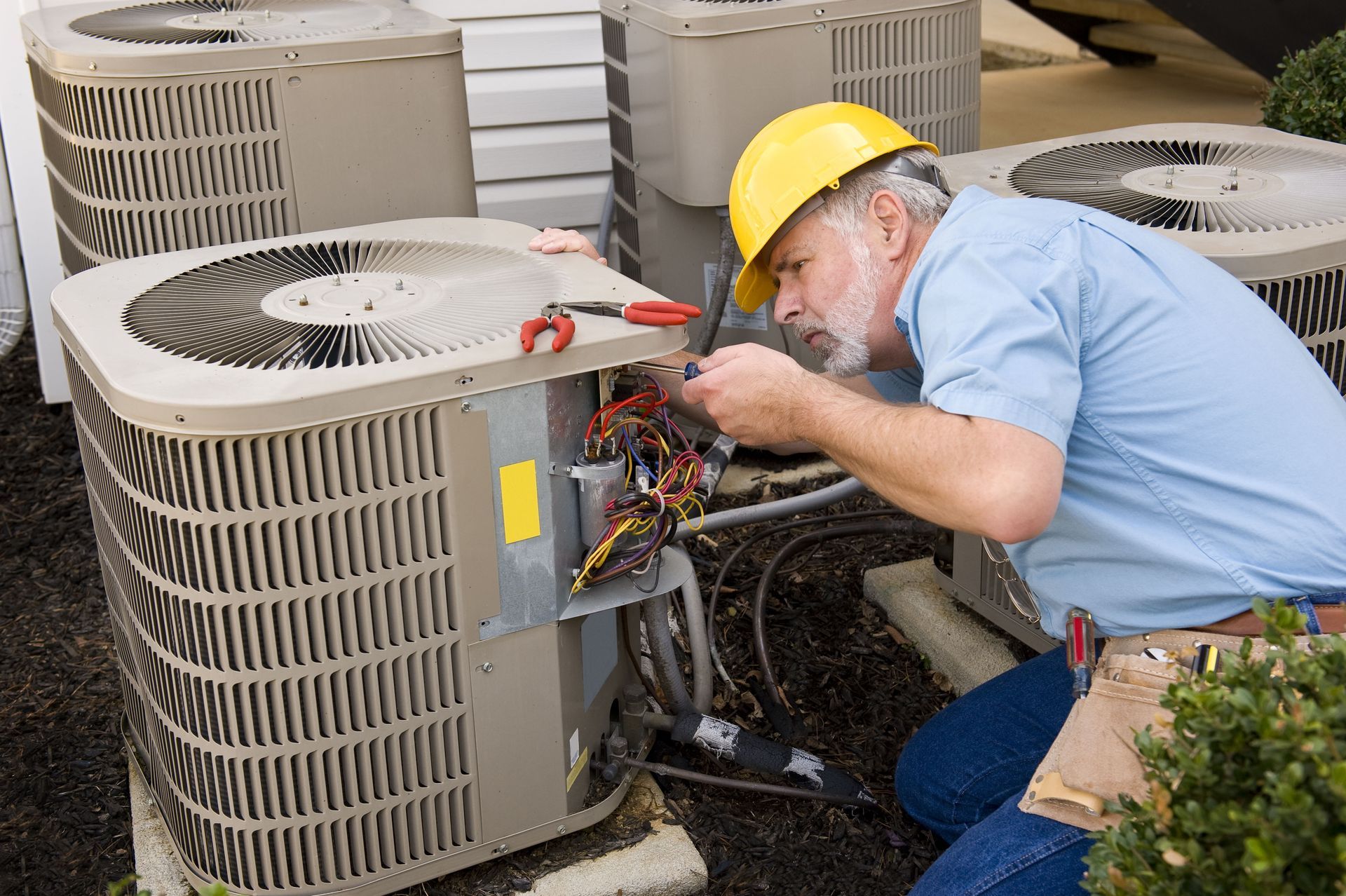
Routine maintenance plays a critical role in identifying issues before they worsen. Technicians can spot corrosion, wiring problems, or component failures that need addressing. By catching these issues early, homeowners can avoid high repair costs associated with neglect. For example, a small refrigerant leak detected early is less expensive to fix than if left to damage other parts. In fact, routine checks help avoid emergency situations, and according to the National Center for Biotechnology Information, around 400 electrical injuries occur from high-voltage incidents annually, some of which could be preventable with early intervention.
Regular tune-ups of HVAC systems are essential for reducing the wear and tear on various components. Simple tasks such as lubricating moving parts or tightening electrical connections can extend the system's operational life. Preventative maintenance ensures that each part functions optimally, reducing the strain that leads to premature failure. Properly maintained systems operate more smoothly and efficiently, leading to fewer emergency repairs. The cumulative effect of these minor interventions means a more dependable system over the long haul.
An efficiently running HVAC system ensures that your home remains comfortable while using less energy. Proper maintenance allows the system to perform at its peak, leading to quicker heating and cooling cycles, which use less energy. This optimization leads directly to cost savings on monthly energy bills. Furthermore, entire system replacements are delayed, as no one wants to buy a new unit sooner than necessary. Ultimately, regular HVAC service keeps both comfort and expenses in check, making routine service a wise financial decision.
Improving Energy Efficiency
Regular cleaning of HVAC components is crucial to maintaining energy efficiency. Debris, dust, and grime accumulate over time, causing strain and reducing the system's ability to function efficiently. An HVAC system operating at optimal cleanliness uses significantly less energy. This reduction translates into lower monthly utility bills, offering tangible savings. In the long run, regular cleaning results in decreased operational costs, validating the investment in routine maintenance.
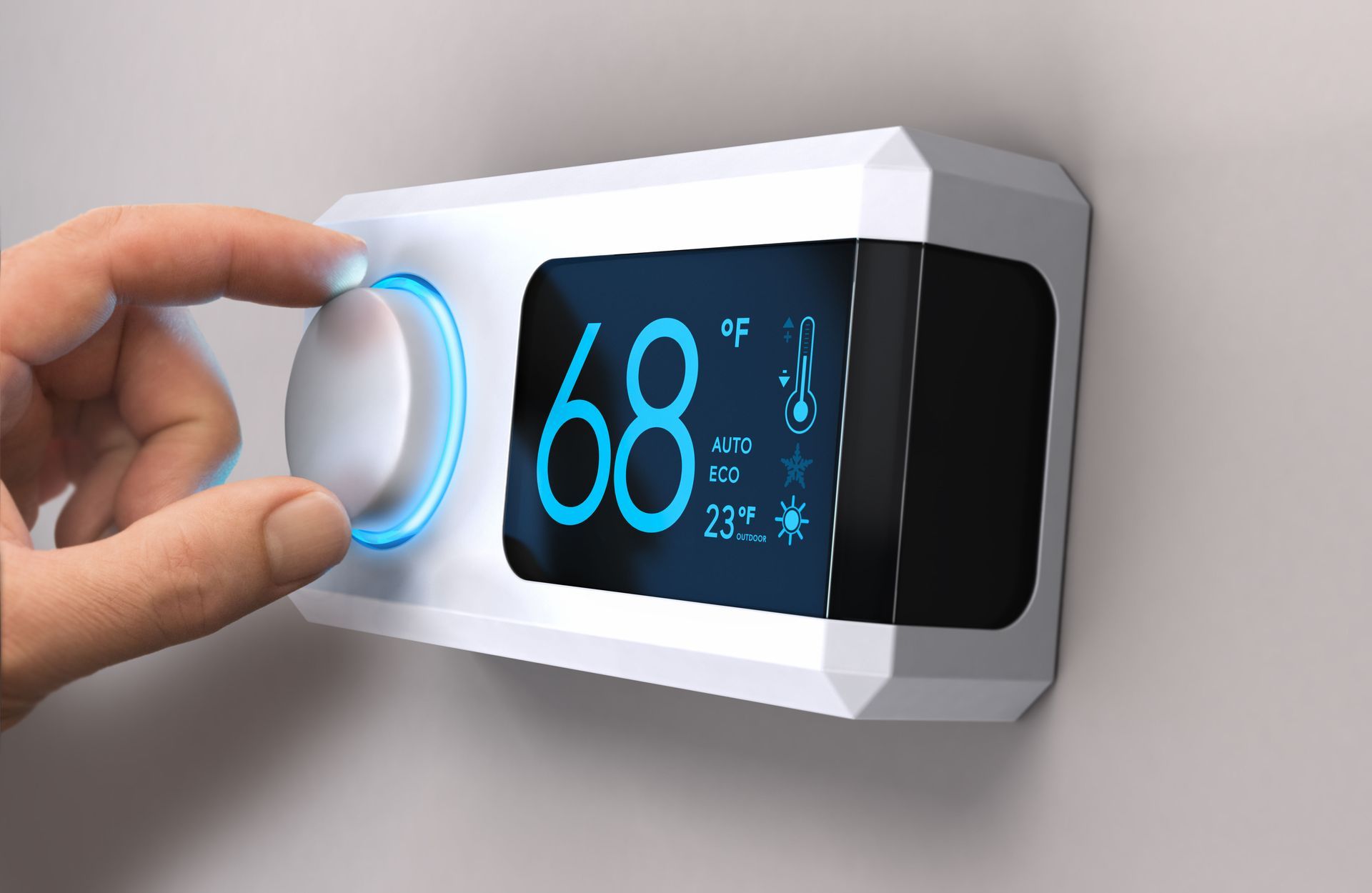
Routine maintenance ensures that HVAC equipment is calibrated correctly for optimal performance. Calibration adjustments help maintain efficiency by ensuring components work harmoniously. An optimally calibrated system requires less energy to operate, further reducing utility costs. Such precision in system tuning allows for consistent and expected performance levels. Without these regular adjustments, systems can fall out of calibration, leading to inefficiencies and increased costs.
Air filters are a crucial component of HVAC systems, and their frequent replacement is vital to maintaining energy savings. Dirty filters cause the system to work harder, increasing energy consumption and wear. Conversely, clean filters enhance airflow, allowing the system to heat and cool more efficiently. Regular filter changes are a simple yet highly effective measure to boost energy efficiency. The cost of replacing filters pales in comparison to the savings realized from reduced energy consumption.
Enhancing Indoor Air Quality
Ducts and vents play a significant role in determining indoor air quality. As these areas collect dust and allergens, regular cleaning removes potential pollutants. Maintaining clean ducts enhances air quality by circulating cleaner air throughout the living space. This results in a healthier environment and can improve system efficiency. Regular HVAC service that pays attention to these components is a key step in safeguarding indoor air quality, which ultimately affects both health and comfort.
Humidification systems are critical to maintaining balanced air quality, particularly in climates with drastically varying humidity levels. Proper maintenance of these systems supports air quality control by preventing the circulation of overly dry or moist air. Well-maintained humidification systems enhance comfort and can also prevent damage to wooden furniture by balancing humidity levels. Regular check-ups ensure these systems function effectively alongside the primary HVAC system. The relationship between air quality, comfort, and maintenance highlights the value of routine servicing.a
Routine HVAC maintenance involves checking and identifying air contaminants that could impact indoor environments. Detecting the presence of microorganisms, allergens, and other pollutants allows for effective remediation. Regular inspections keep the air circulating through the home clean and safe. Addressing these contaminants aligns with fostering a healthier living space while enhancing system efficiency. Improved air quality is a noteworthy benefit of regular maintenance, highlighting its role in health and cost savings.
Avoiding Unplanned Repair Costs
Scheduled inspections and diagnostics are invaluable in preventing unexpected repair costs. Routine checks provide the foresight to detect issues and predict future maintenance needs. These inspections play a critical role in planning system upgrades or component replacements proactively. Systematic diagnostics reduce the likelihood of emergency breakdowns, helping keep anticipated expenses manageable. Regularly scheduled upkeep provides stability in HVAC upkeep costs, aligning with overall financial planning.
Regularly performed maintenance provides predictable costs that aid in financial planning for homeowners. Budgeting for routine checks leaves little room for unpleasant surprises due to unexpected failures. Planned costs associated with consistent servicing are more manageable compared to the high costs of emergency repairs. By controlling repair expenses, homeowners gain confidence in their ability to maintain financial stability. Predictable HVAC maintenance expenses align with broader fiscal responsibility goals.
The frequency of emergency HVAC service calls greatly decreases with regular servicing. Proper system upkeep prevents the minor issues from developing into urgent problems requiring immediate attention. Reduced need for emergency services avoids the premium costs typically associated with urgent repairs. Maximizing system reliability is synonymous with avoiding costly and inconvenient service situations. By investing in regular maintenance, homeowners shield themselves from impromptu financial burdens.
Boosting Property Value
A reliable HVAC system increases the property's market appeal and value. Prospective buyers view a well-maintained system as a reflection of overall property care. HVAC reliability means lower potential expenditures post-purchase, thereby enhancing the home's desirability. By maintaining HVAC systems in excellent condition, homeowners find benefit in the eventual resale of their property. Investment in upkeep pays dividends, both in the immediate environment and future resale prospects.
A documented maintenance history provides verification of consistent system attention and care. Having records of past services reassures buyers about the system's current state. Detailed histories showcase diligent upkeep, adding credibility to the property valuation. Buyers consider maintenance records a positive sign and this documentation often aids in quicker sales. Records not only serve the current owners but also add value when transitioning to new ownership.
Replacing older HVAC systems with energy-efficient models provides long-term value enhancement. Energy-efficient systems lower utility bills, attract environmentally conscious buyers, and reflect modern living standards. Upgrades signal an investment in high-performance systems, which potential buyers find appealing. Beyond immediate savings, these systems align with technological advancements, increasing future property values. Energy-efficient upgrades thus provide both cost reductions and significant resale advantages.
Routine HVAC maintenance is much more than an expense; it's an investment in long-term savings and system longevity. From reducing operational costs to boosting energy efficiency and enhancing market value, regular service pays dividends in various aspects. The strategic approach to HVAC upkeep aligns with proactive home management, ensuring financial stability and comfort. A disciplined maintenance schedule prevents the expensive consequences of neglect, making it an invaluable component of homeownership. By engaging in regular HVAC service, homeowners secure energy efficiency, reduced repair costs, and an overall improvement in property attractiveness. Contact Shamrock Heating and Air Conditioning Inc today for reliable, professional
HVAC service that keeps your home or business comfortable and running efficiently year round.