June 11, 2026
The concept of transforming an indoor living space into a climate-controlled sanctuary is a remarkably recent luxury in human history. For centuries, families endured the harsh realities of seasonal weather extremes, relying entirely on wood-burning hearths or simple hand-held fans to survive. The journey toward automated heating, ventilation, and cooling systems reveals an era of rapid industrial innovation and unexpected societal shifts. Exploring this evolution explains how domestic spaces evolved from mere shelters into highly sophisticated, healthy, and customizable environments. Understanding this narrative highlights the engineering milestones and maintenance traditions that preserve our daily well-being inside our homes.
Tracing the Primitive Roots of Indoor Thermal Management
Enduring extreme seasonal temperatures required creative architectural designs and localized heating methods during the pre-industrial era. Early societies built homes with thick stone walls and strategic window placements to maximize natural cross-breezes during hot summer months. When winter arrived, central fireplaces served as the sole source of warmth, requiring constant labor to gather firewood and manage indoor smoke safely. These primitive configurations offered minimal temperature control, leaving inhabitants vulnerable to shifting weather patterns and poor indoor air quality. Consequently, early domestic life revolved entirely around managing the immediate physical environment through manual, exhausting, and highly inefficient daily routines.
Engineering the Early Mechanical Breakthroughs of Climate Control
Overcoming industrial manufacturing limitations in the early twentieth century paved the way for pioneering environmental engineers to reshape society. According to the US Department of Energy, air conditioning was invented in 1902 by Willis Carrier. Originally designed to control humidity in a New York printing plant, this mechanical innovation altered how humans interacted with indoor spaces. Early cooling systems were massive, expensive, and primarily reserved for industrial factories, movie theaters, and large public department stores. As engineering techniques advanced, innovators miniaturized these complex components, setting the stage for residential applications that would eventually liberate homeowners from oppressive summer heat.
Integrating Automated Residential Cooling Systems After World War II
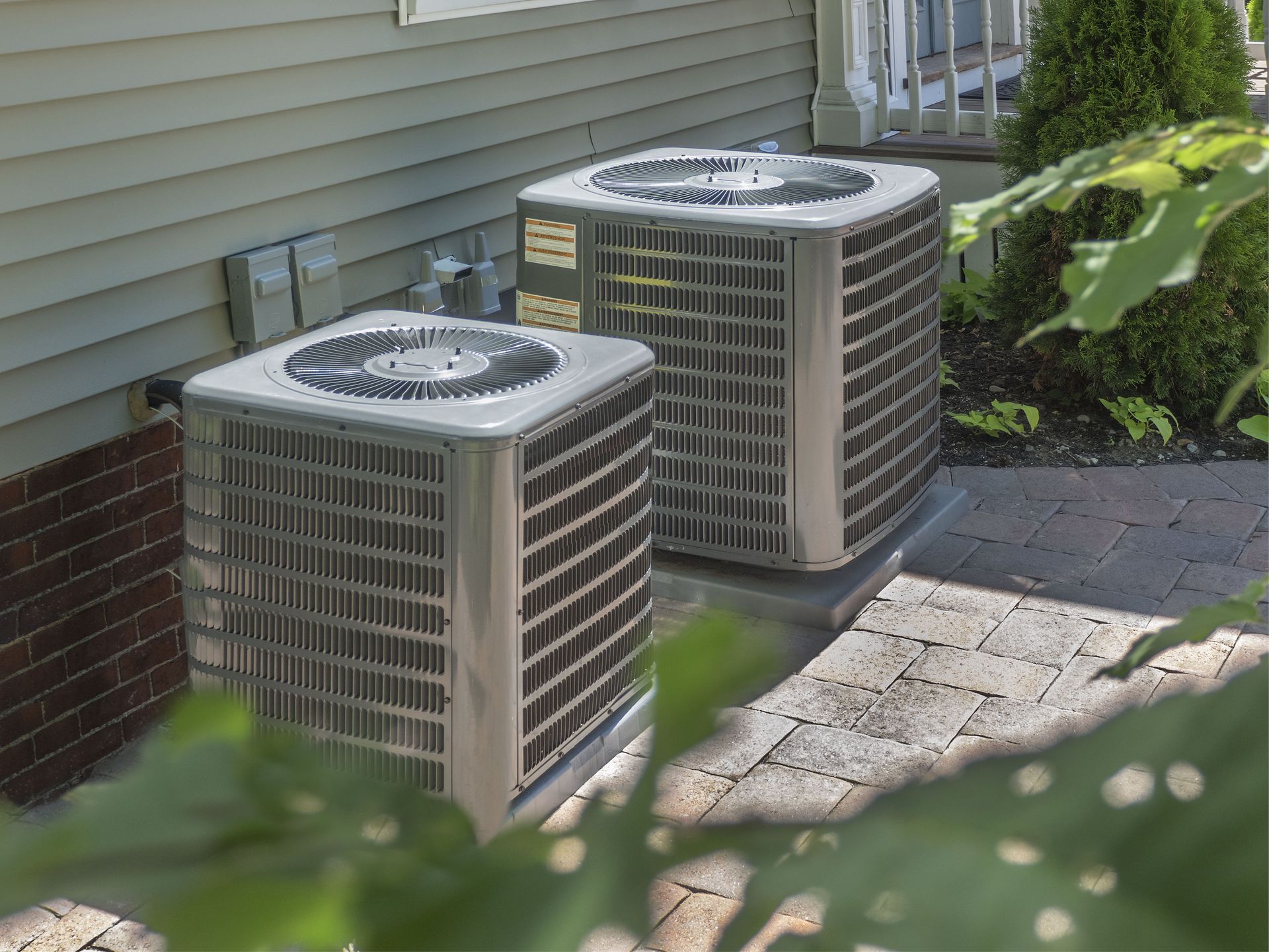
Booming postwar economic growth stimulated an unprecedented demand for modern appliances and comfortable suburban housing developments across the nation. During the mid-twentieth century, manufacturing companies began mass-producing affordable window units and centralized cooling systems for everyday residential properties. This technological shift meant that average families could finally control their indoor climate with the simple turn of a dial. However, as these mechanical systems became standard household fixtures, homeowners quickly realized that complicated machinery required ongoing technical maintenance. Early residential cooling adoption established a growing necessity for routine professional intervention and specialized AC repairs to preserve equipment longevity.
Managing the Technological Advancements in Thermostat Automation
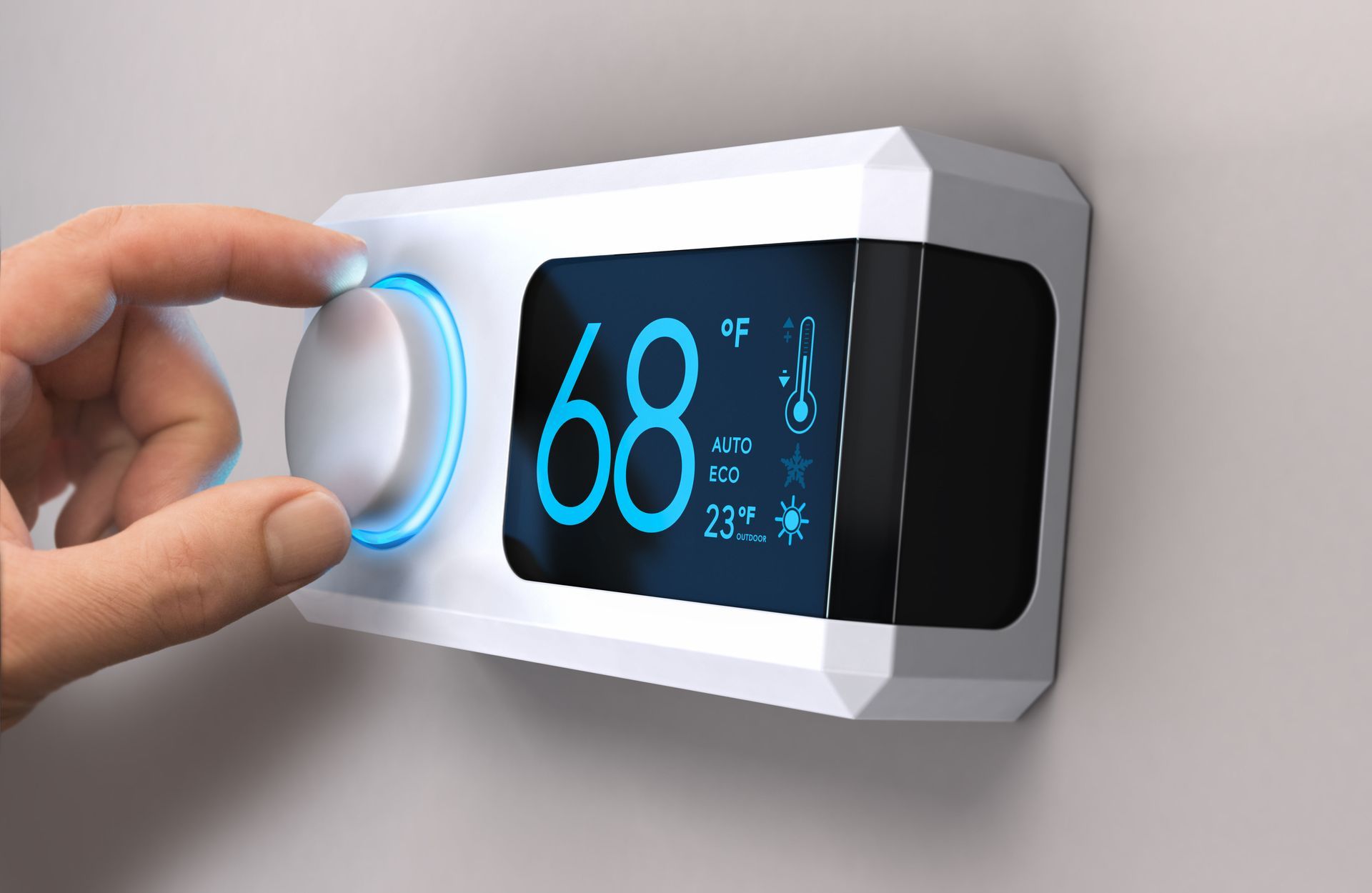
Regulating indoor temperatures shifted from manual adjustments to hands-free automation during the latter half of the twentieth century. Early mechanical thermostats relied on simple bimetallic strips and mercury switches to activate heating and cooling units based on baseline ambient temperatures. As microchip technology advanced, programmable digital thermostats emerged, allowing homeowners to schedule temperature shifts according to their daily work and sleep routines. This era marked a significant leap forward in household energy management, reducing systemic wear on compressors. When these automated control systems experienced calibration failures, homeowners frequently requested advanced AC repairs to restore proper communication between components.
Analyzing the Evolution of Residential Maintenance Frameworks
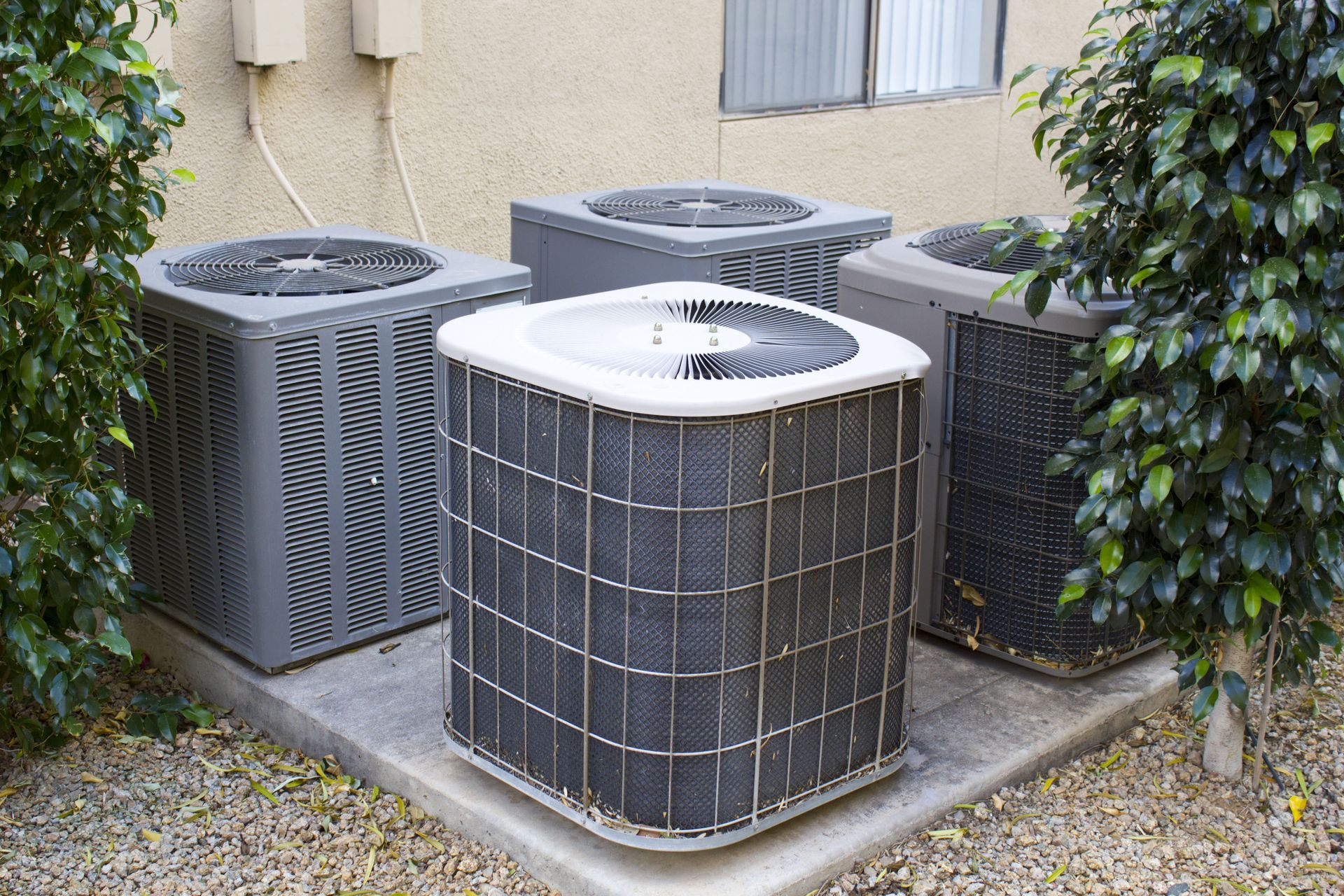
Sustaining the efficiency of complex household machinery transformed home ownership into a dynamic partnership with professional tradespeople. As central cooling technology is integrated deeply into residential architecture, the mechanics driving these systems have grown increasingly intricate, utilizing specialized refrigerants and electrical relays. Homeowners quickly discovered that ignoring strange noises or reduced airflow resulted in total system breakdowns during peak summer heatwaves. Consequently, the local service industry evolved rapidly, establishing standardized protocols for diagnosing airflow restrictions and executing precise AC repairs. Regular tune-ups became essential practices, ensuring that delicate internal mechanisms remained fully functional throughout decades of continuous seasonal operation.
Evaluating the Environmental Impacts and Efficiency Revolutions
Balancing high-performance domestic cooling with environmental stewardship became a critical focus for mechanical engineers facing global energy challenges. Early cooling systems utilized ozone-depleting chlorofluorocarbons, which were eventually phased out by international environmental treaties in favor of eco-friendly chemical alternatives. Simultaneously, manufacturing standards mandated higher Seasonal Energy Efficiency Ratio ratings, forcing systems to produce maximum cooling while consuming minimal electricity. This green transition altered internal system pressures, meaning that outdated maintenance techniques could compromise modern equipment. Technicians adapted their methodologies, utilizing advanced electronic leak detectors and executing eco-conscious AC repairs to protect the surrounding environment.
Transitioning to Smart Ecosystems and Internet Connectivity
Connecting domestic appliances to the internet has revolutionized how modern families monitor and adjust their personal living spaces today. Contemporary smart thermostats utilize advanced artificial intelligence to learn a household's specific behavioral patterns, automatically optimizing energy consumption based on local weather forecasts. These connected systems can even diagnose internal mechanical faults remotely, sending automated alerts directly to a homeowner's smartphone before a total breakdown occurs. When a sensor detects a sudden pressure drop, it often recommends scheduling preemptive AC repairs with a certified local technician. This continuous digital oversight guarantees unprecedented comfort while maximizing operational efficiency.
Deciphering the Common Mechanical Failures in Modern Equipment
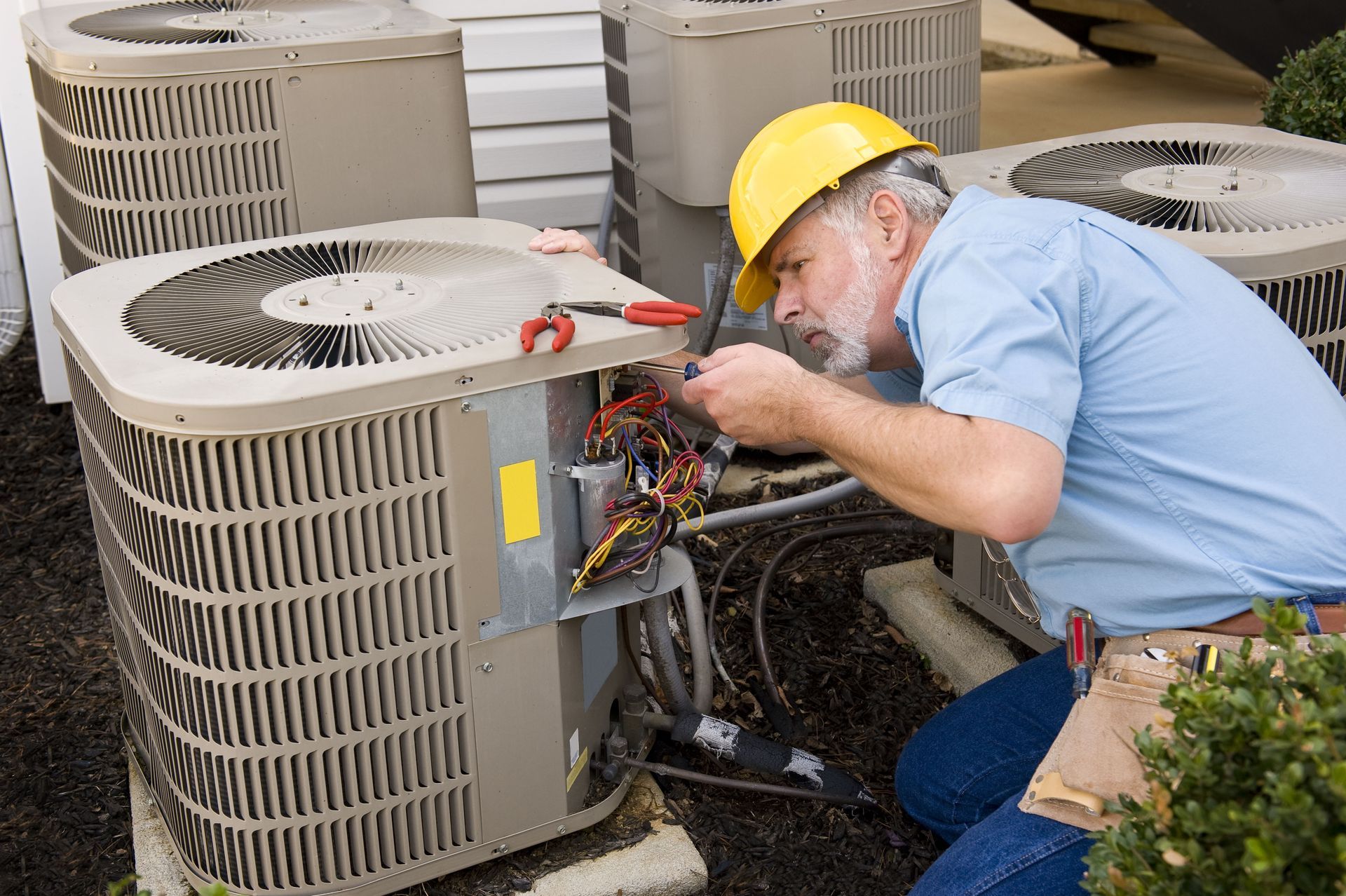
Understanding the vulnerabilities of high-performance cooling systems allows property owners to anticipate maintenance needs and prevent sudden operational failures. Modern cooling units rely on a delicate balance of electrical continuity, proper chemical levels, and unrestricted airflow across internal coils. Component wear, such as a failing capacitor or a clogged condensate line, can cause the entire system to short-cycle or freeze completely. Addressing these mechanical imbalances quickly prevents minor issues from cascading into catastrophic compressor damage that requires total system replacement. Therefore, securing prompt, professional AC repairs remains the most cost-effective strategy for protecting substantial residential technology investments.
Maximizing Indoor Air Quality and Advanced Filtration Standards
Purifying the air we breathe indoors has become just as crucial as regulating the actual temperature of our living spaces. Modern cooling infrastructure does not simply move air; it actively filters out microscopic dust, pollen, pet dander, and harmful airborne pathogens. High-efficiency particulate air filters and ultraviolet light purification systems are now routinely integrated into standard residential ductwork to promote healthier breathing environments. When dirt accumulates within these advanced filtration systems, it restricts airflow and places immense strain on blower motors. Resolving these airflow restrictions often involves conducting comprehensive system cleanings alongside necessary AC repairs.
Overcoming Geographic Limitations Through Expanded Infrastructure
Altering demographic patterns across the country became one of the most significant, unexpected consequences of widespread residential cooling technology. Before mechanical climate control existed, regions with scorching summer climates experienced stagnant population growth and minimal industrial expansion due to unlivable conditions. The widespread availability of residential cooling transformed Sunbelt regions into highly desirable destinations for growing families and thriving corporate headquarters. This geographic expansion created an unprecedented demand for localized service networks capable of supporting vast residential communities. In these hot regions, relying on immediate air conditioning repairs became a fundamental necessity for maintaining public health and daily economic productivity.
Predicting the Future Horizons of Domestic Climate Innovation
Anticipating the next generation of residential comfort involves exploring geothermal heat pumps, zoning innovations, and biomimetic architectural designs. Future cooling technologies aim to eliminate traditional chemical refrigerants, utilizing solid-state caloric materials that transfer heat through magnetic or electrical fields. These upcoming systems promise whisper-quiet operation and near-zero energy waste, reshaping our understanding of sustainable domestic living. As these futuristic technologies gradually enter the mainstream marketplace, the specialized training required to maintain them will continue to evolve. Future technicians will merge traditional mechanical expertise with software diagnostics when performing advanced air conditioning repairs on next-generation systems.
The remarkable transformation of residential climate control highlights mankind's enduring drive to master its physical surroundings for optimal well-being. What began as an industrial humidity control experiment has evolved into an interconnected, smart household ecosystem that safeguards our health and productivity. Maintaining this level of luxury requires a permanent commitment to mechanical education, technological innovation, and reliable infrastructure support. When unexpected system failures disrupt this domestic harmony, securing professional air conditioning repairs bridges the historical gap between primitive discomfort and modern technological reliability. Ultimately, preserving our century-long heritage of indoor comfort ensures a safer, more sustainable future for generations to come. If you are seeking professional AC repairs in the South or Central New Jersey areas, contact the experts at Shamrock Heating and Air Conditioning Inc! Call today to schedule your service appointment.